Nashik Red Onion Export from India: Sizing, Mesh Packaging & Sea Transit Guide
Introduction to Indian Red Onion Exports
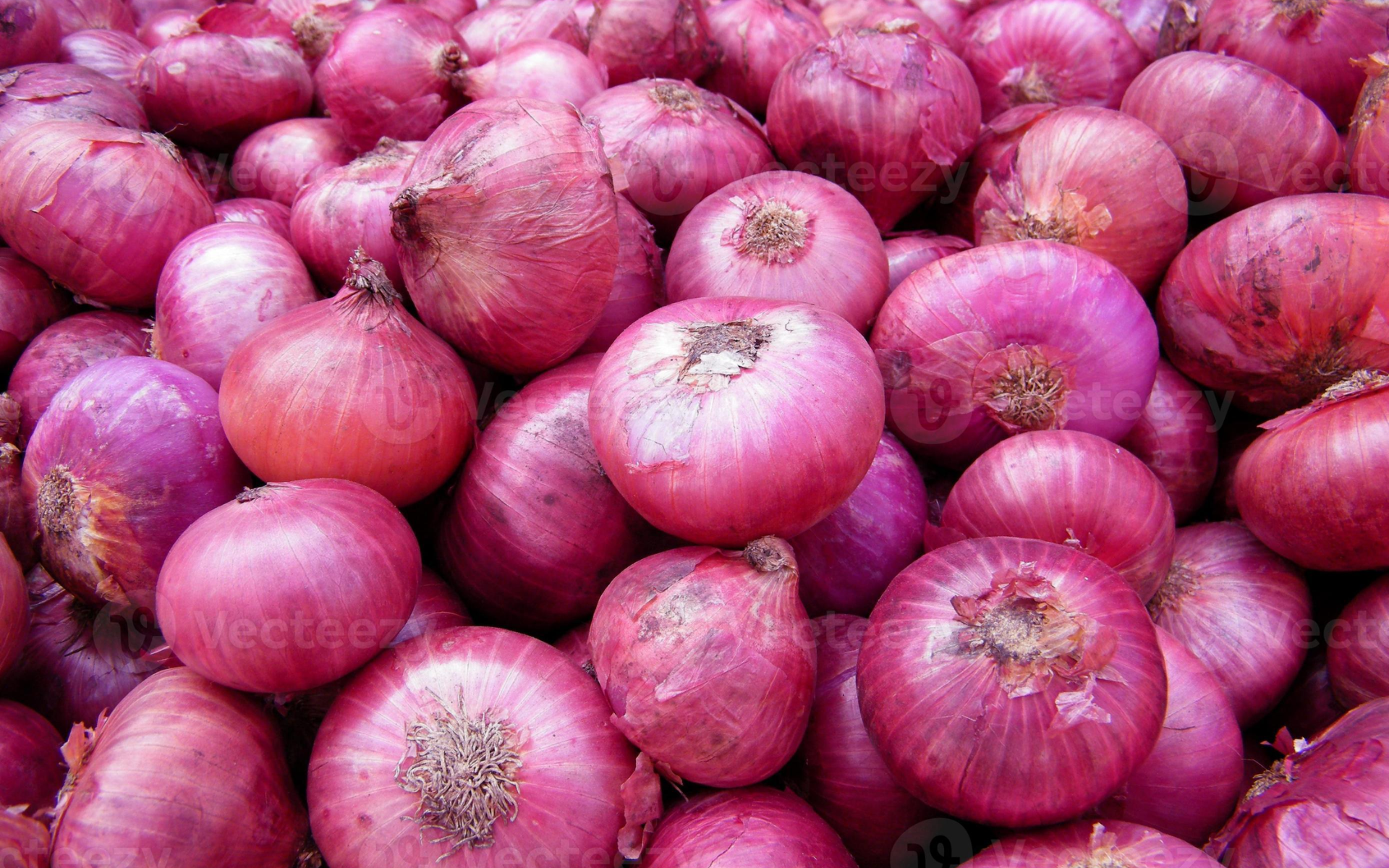
India is one of the world's largest producers and exporters of red onions, with Maharashtra's renowned Nashik, Lasalgaon, and Pune agricultural belts serving as the epicenters of global supply. Celebrated for their pungent flavor, dark reddish-purple skin, firm bulb density, and long storage life, Nashik red onions are heavily imported across the Middle East, Southeast Asia, Sri Lanka, and Africa.
For international importers, navigating size calibrations, seasonal crop cycles, proper post-harvest curing, and temperature management during sea transit is critical to preventing sprouting, weight loss, and fungal decay.
Key Indian Onion Crop Seasons
Understanding the Indian harvesting seasons ensures consistent year-round supply planning:
- Kharif Crop (October to December): High moisture content, vibrant pinkish-red color, shorter shelf life (approx. 20–30 days). Ideal for immediate regional transit.
- Late Kharif Crop (January to March): Medium shelf life, dark red skin, suitable for ocean voyages up to 15–20 days.
- Rabi Crop (April to June): The crown jewel of Indian onion exports. Exceptionally high dry-matter content, tight outer skins, and capable of enduring 90–120 days of storage with proper aeration.
Size Calibrations & Target International Markets
Onions are graded mechanically and by hand according to bulb diameter:
| Size Grade | Diameter (mm) | Primary Export Markets |
|---|---|---|
| Gulf / Colombo Grade | 25mm – 35mm | Sri Lanka, UAE, Oman, Qatar, Kuwait |
| Medium Grade | 40mm – 55mm | Malaysia, Singapore, Indonesia, Vietnam |
| Jumbo / Super Grade | 55mm – 70mm+ | Saudi Arabia, Europe, Premium Supermarkets |
Post-Harvest Curing & Packaging Standards
Curing is the single most vital process before export. Freshly harvested onions must undergo field drying or shaded drying for 5 to 7 days until outer scales dry into a paper-like protective skin and the neck tightens completely. Insufficient curing is the #1 cause of neck rot and premature sprouting during ocean transit.
Standard export packaging includes:
- Red Leno Mesh Bags: Available in 5kg, 10kg, 20kg, 25kg, and 50kg capacities. Highly breathable mesh structure permits continuous airflow around each bulb.
- Jute / Hessian Sacks: Traditional natural fiber packaging offering moisture absorption for select dry markets.
Container Stuffing & Ocean Reefer vs Ventilated Transit
Depending on voyage duration and destination climate, two transport methods are used:
- Ventilated GP Dry Containers: Best suited for short voyages (under 5–7 days, e.g., to Gulf ports). Bags are stacked with chimney ventilation patterns to prevent heat buildup. Average payload: 28 to 29 Metric Tons per 40ft container.
- Refrigerated (Reefer) Containers: Recommended for voyages exceeding 10 days. Setpoint: 0°C to 2°C with 65–70% Relative Humidity and fresh-air vent open at 25 m³/hr. Crucially, humidity must remain low to prevent mold germination.
Mandatory Quality Inspections & Phytosanitary Documentation
Every commercial consignment exported by VM EXIM International undergoes rigorous pre-loading verification:
- Phytosanitary Certificate: Issued by the Plant Quarantine Information System (PQIS), certifying freedom from onion smut, stem and bulb nematodes, and soil residue.
- Certificate of Origin (COO): Legal verification of Indian origin for preferential duty tariffs.
- Third-Party Quality Inspection: Pre-shipment certificates from agencies like SGS or Bureau Veritas confirming size compliance, tolerance under 2% for defective bulbs, and net weight accuracy.
Have Questions About This Commodity or Sourcing Requirements?
Our commercial trade managers assist international importers with pricing models, incoterms, ocean freight schedules, and sample inspections.