Cold-Chain Precision for Fresh Grapes & Pomegranates Export: Farm Gate to Discharge Port
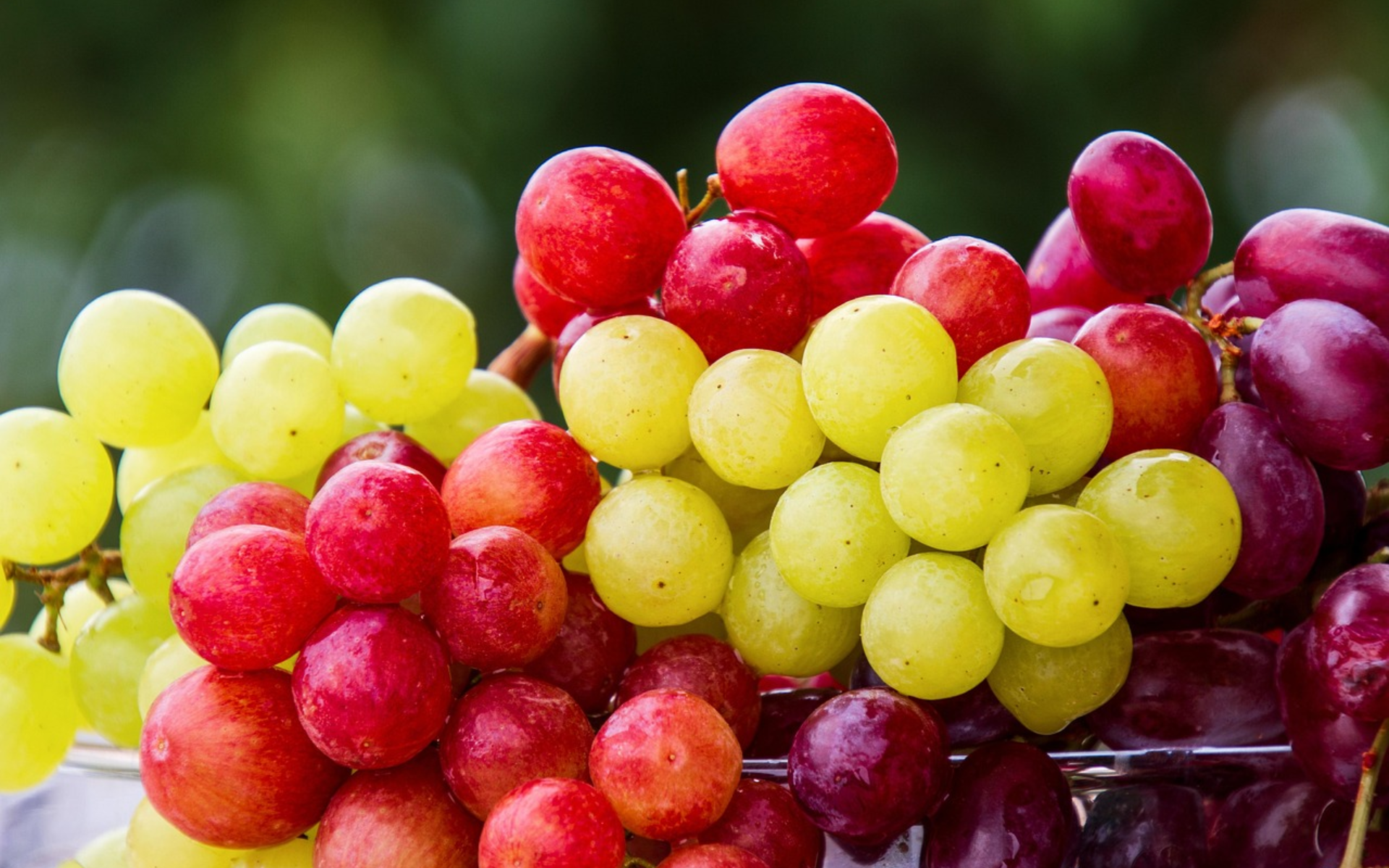
Perishable Cargo Demands Precision Temperature Architecture
Indian fresh fruits—notably Thompson Seedless table grapes from Nashik and Bhagwa pomegranates from Solapur—enjoy premier standing in European, British, and Gulf retail sectors. However, these fruits are living, respiring organisms. After harvest, respiration rates accelerate, leading to moisture loss, stem browning, sugar depletion, and vulnerability to fungal pathogens such as Botrytis cinerea (gray mold).
Maintaining pristine commercial condition across ocean journeys of 15 to 35 days requires a relentless, uninterrupted cold-chain protocol.
Phase 1: Harvest Time & Farm-Gate Logistics
The cold-chain begins at harvest:
- Early Morning Picking: Grapes and pomegranates must be harvested before 10:00 AM, minimizing field heat absorption.
- Field Shading: Plastic harvesting crates are lined with clean foam sheets and kept under insulated field canopies prior to refrigerated truck transfer.
- Brix Verification: Table grapes must meet a minimum sweetness threshold of 16.0° to 18.0° Brix, while Bhagwa pomegranates are harvested when internal arils develop deep ruby-red pigmentation and balanced sugar-acid ratio.
Phase 2: Rapid Forced-Air Pre-Cooling
Within 3 to 4 hours of harvest, fruit crates arrive at the automated packhouse and enter forced-air cooling chambers:
- Grapes Pre-Cooling: High-velocity chilled air reduces core temperature from 28°C down to 0°C to 1°C within 6 hours. This immediately arrests fungal growth and slows respiration by up to 90%.
- Pomegranates Pre-Cooling: Core temperature is gently lowered to 5°C to 7°C to avoid chilling injury, which occurs if pomegranates are kept below 4°C.
Phase 3: Active Protective Packaging
Packaging for export grapes and pomegranates is sophisticated and active:
- Dual-Release SO2 Generator Pads: For table grapes, sulfur dioxide generator pads containing sodium metabisulfite are placed inside each box. The rapid phase releases a micro-dose of SO2 during the first 24 hours to sterilize spores, while the slow-release phase emits continuous trace amounts throughout the multi-week voyage.
- Perforated Polyethylene Liners: Maintain high relative humidity (90%–95%) around the berries to keep green stalks hydrated without liquid condensation.
- Individual Foam Net Sleeves: Bhagwa pomegranates are individually sleeved in expandable polyethylene foam nets to prevent friction bruising against carton walls.
Phase 4: Marine Reefer Container Settings
| Commodity | Temperature Setpoint | Relative Humidity (RH) | Ventilation Setting |
|---|---|---|---|
| Fresh Table Grapes | -0.5°C to 0.0°C | 90% – 95% | Closed or 5 m³/hr |
| Bhagwa Pomegranates | +5.0°C to +7.0°C | 90% – 95% | 15 m³/hr |
Phase 5: Digital Telematics & Temperature Loggers
VM EXIM equips each reefer container with calibrated single-use USB or real-time IoT digital temperature loggers placed at three critical positions: near the return air bulkhead, in the center pallet core, and near the reefer door. Importers receive tamper-proof temperature logs upon destination discharge, guaranteeing that zero thermal abuse occurred during transit.
Have Questions About This Commodity or Sourcing Requirements?
Our commercial trade managers assist international importers with pricing models, incoterms, ocean freight schedules, and sample inspections.